Another parable of UK industry
Recall the GLP1 obesity drugs which are generating tens of billions every year ?
Meet the British scientists who was one of those who first elucidated the biochemistry underlying them.
https://en.wikipedia.org/wiki/Stephen_R._Bloom
…Bloom played a seminal role in establishing the biology and pathophysiology of the intrinsic endocrine system of the gastrointestinal tract, an area which he pioneered and which is now a major focus of basic and applied laboratories worldwide. Through the identification of clinical syndromes associated with overproduction of these hormones and experimental physiological studies in man, Bloom established the physiological effects of these hormones. Importantly, he recognised that several gut derived peptides powerfully influenced glucose homeostasis and/or appetite, insights which have led to major developments in the treatment of Type 2 diabetes and obesity…
He was chairman of the Imperial spinout Zihipp, set up to commercialise the technology.
Then, last week….
Pfizer aims to bring Imperial obesity drug candidates to clinic in $4.9bn deal
https://www.imperial.ac.uk/news/269453/pfizer-aims-bring-imperial-obesity-drug/
…Pfizer has announced an agreement to acquire US biotechnology startup Metsera at a $4.9 billion valuation for its portfolio of drug candidates, the most advanced of which is a phase 2b GLP-1 therapeutic candidate invented at Imperial College London.
“The acquisition is testament to Professor Steve Bloom’s expertise. It also reflects Imperial’s world-class science and translation – which is yielding therapeutic candidates that could transform lives.”
Pfizer says it will make additional payments increasing the valuation to $7.3 billion if the Imperial candidate reaches certain clinical and regulatory milestones.
Metsera was formed in 2022 to acquire and clinically progress promising obesity solutions, and a year later acquired the Imperial spinout Zihipp for assets that included a compound later named MET-097i by Metsera.
In common with leading obesity drugs such as semaglutide (Wegovy), the compound is designed to work by mimicking the appetite-regulating gut hormone GLP-1.
Pfizer and Metsera say that MET-097i could potentially be best-in-class in a new generation of injectable GLP-1 drugs, requiring injections only once per month instead of weekly, and offering improved safety and weight loss.
A recent phase 2b trial, designed to test its effectiveness in patients, found that the candidate yielded an average weight loss of 14.1% at 28 weeks. The absence of a plateau during this period provides hope that weight loss would continue with a longer course of treatment. The trial also showed positive signs that the candidate is well tolerated. ..
Imperial’s share of any future profits will be 50% of a “low single digit”* royalty.
*That’s the same language used to describe the 1.5% royalty Cambridge Antibody ended up with on the (then) world’s most valuable drug.
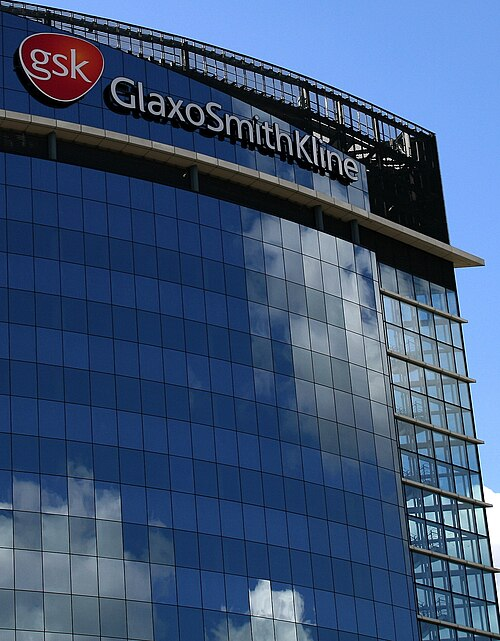
The two major UK pharmaceutical companies – AZN, and GSK – continue to have no significant obesity drug program at all. And are talking of moving more of their operations to the US.
Nigel B