The anti-science era
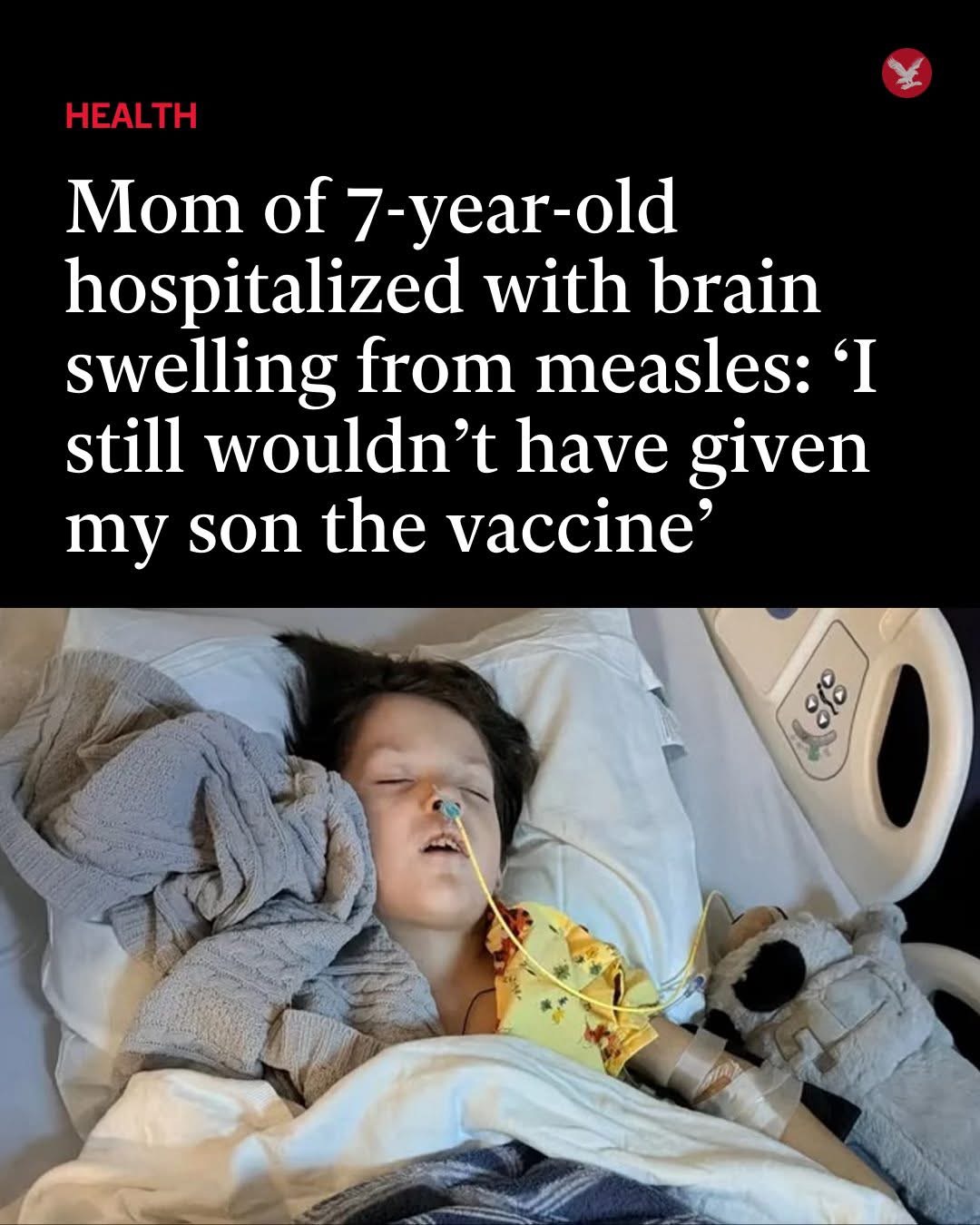
Image from this article in The Independent
“Trump revokes landmark ruling that greenhouse gases endanger public health” read a recent BBC headline. The US Food and Drug Administration initially refused to consider a new mRNA flu vaccine for approval although they have U-turned after an outcry. With falling vaccination rates, the US saw more measles cases in 2025 than any year since 1991. Do Americans no longer trust the science?
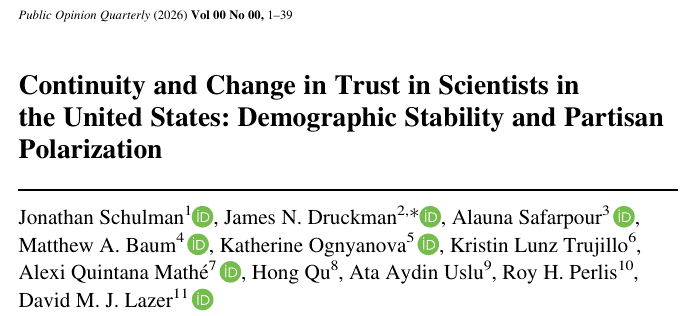
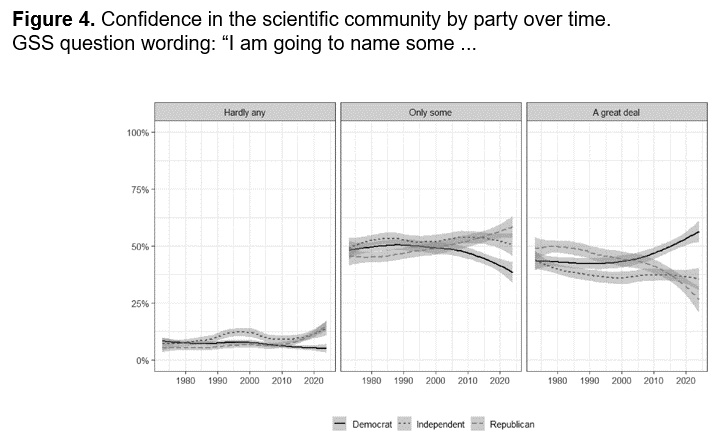
The polling tell us that science actually remains a relatively trusted institution in the US. In 2024, 36% expressed “a great deal of confidence” in science, less than the 43% score for the military, but higher than every other institution polled (e.g., medicine 26%, the Supreme Court 19%, the press 8%). However, a new research paper by Jonathan Schulman and colleagues (Public Opinion Quarterly, 2026) shows that there has been a big shift in partisan views. 50 years ago, Republicans trusted science more than Democrats. The pattern has now reversed, with a bigger partisan gap in trust in science than for other institutions.
This apparent antipathy towards science is infectious. Climate change and vaccine scepticism is on the rise in Europe. In January 2026, the UK lost its measles-free status, a consequence of lowered vaccination rates. Keir Starmer has hit out at anti-science views in Reform UK. Will that be a vote winner over here, or is science just another casualty of the culture war?
We might also ask whether scientists can do anything about these trends Science communication is seen as important by its practitioners, but it is not valued by traditional career structures and scientists worry about stepping into polarised debates, as another new study explores (Donois et al., 2026, SAGE Open).
Bondegezou